William's Blog
-
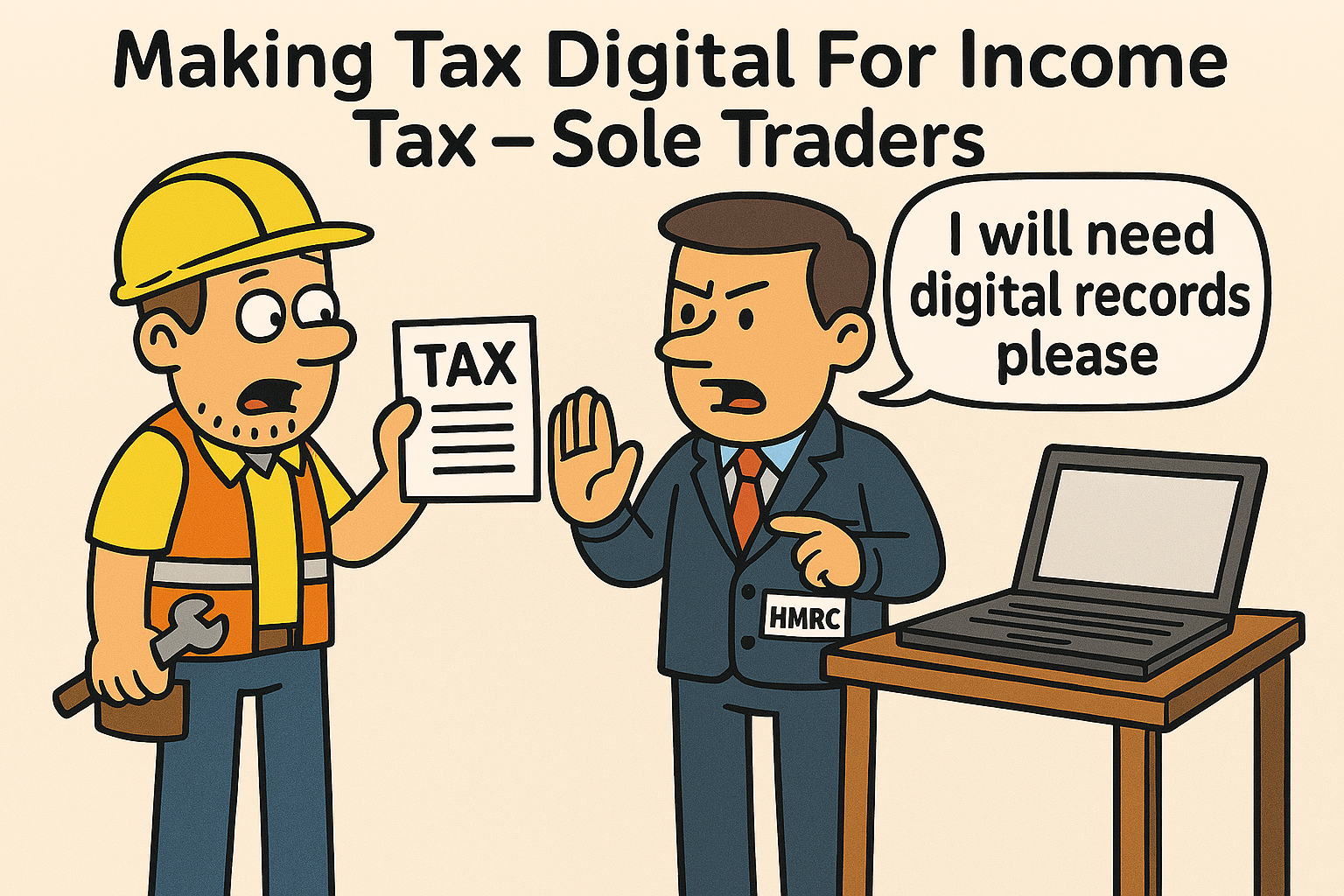
Making Tax Digital - Sole Traders
16 February 2026
-
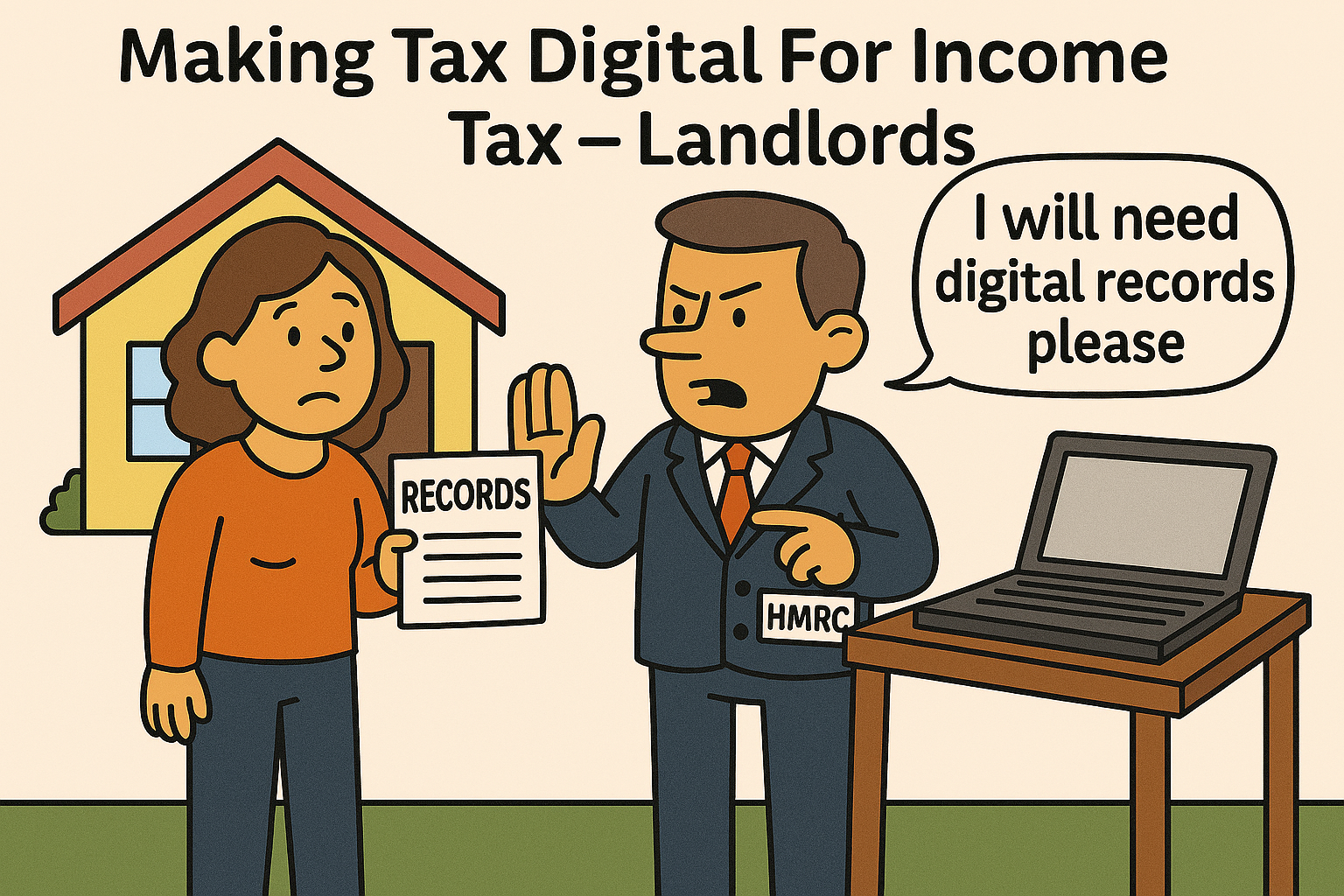
Making Tax Digital - Landlords
16 February 2026
-
MTD for Income Tax - Will You Be Ready?
6 March 2025
Have you been keeping up with Making Tax Digital (MTD) for income tax? Will it impact you, if so you need to know when and how in order to plan for it. What is Making Tax Digital? In essence it is a change in the requirements for record keeping and frequency of submissions to HM Revenue & Customs.
-

VAT SERIES - Acting As Agent or Principle?
16 September 2024
The VAT Flat Rate Scheme (FRS) has been around for a long time and was introduced as a simplification measure for small businesses. A very welcome bonus for some was that use of the scheme left them slightly better off than standard VAT accounting….and it did genuinely simplify VAT reporting obligations. However since 01 April 2017 the introduction of new rules made it a very expensive scheme for some, those falling within the 'limited cost trader' classification.
-

Employment status - Are Your Subcontractors Genuine?
14 July 2024
As a businesses grows and the workload becomes too much for one person some form of help will be needed. The options tend to boil down to taking on an employee or engaging subcontractors. Each business will have different factors that influence which option to aim for. Typically subcontractors are the goal as it reduces commitment and complexity. It also tends to provide a positive tax outcome for both the contractor and the subcontractor….and it's because of this that HMRC take an interest. They will want to ensure the correct status has been applied and in turn tax paid in line with this. If errors are made they can be costly resulting in backdated assessments to when the error began with penalties and interest potentially charged on top. Very quickly this can run into thousands.
-

VAT Series - The Registration Threshold and Dangers of Missing It
10 June 2024
The current threshold for mandatory registration if £90,000. The threshold relates to turnover (sales) rather than net profit. It is calculated on a rolling 12 month basis rather than simply looking at the last set of accounts which could give a different result. Once the threshold is reached you only have 30 days to inform HM Revenue & Customs. As an example say your sales reach £92,000 in February, following the end of the month you have 30 days to register with the obligation to start collecting VAT taking effect from April 1.
-
VAT Series - Artificial Separation
10 June 2024
Registering for VAT can be compulsory (see VAT SERIES - The Registration Threshold And The Dangers of Missing It) or voluntary. Why would someone chose to register for VAT voluntarily? Typically if all your customers are VAT registered and able to reclaim the VAT you charge them it won't affect how competitive your pricing is. It will also allow you to reclaim VAT thereby reducing your business overheads and increasing your profit margin. But what if your customers are not able to reclaim VAT? This can present a real challenge as VAT registration will either increase your fees by 20% or you may feel the need to absorb some, if not all of the cost yourself. Understandably for such businesses the idea of having to register for VAT is not very welcome.
-

Property Series - Deductible Expenditure
15 November 2023
Calculating taxable property income (gross rents less allowable deductions) is not as straightforward as it may at first appear. A common mistake made is assuming that everything spent in connection with the rental property is an allowable expense. However, the correct treatment is far less straightforward. We will start with the less tricky areas. Here are typical expenses to see in residential property accounts: Agents commission Property Insurance Accountancy and Legal fees Advertising the property for use Repairs and maintenance Travel in connection with the property Finance costs (for specific details on this see our article Property Series -Relief for Finance Costs) Replacements of domestic items
-

Property Series -Rent a Room Relief
1 November 2023
Rent a room relief can provide a helpful simplification when a lodger is taken in. Some will be surprised to think of a tax implication when renting a spare room to a lodger but the income is considered as Residential Property Income. The relief provides an allowances of £7,500 per year. If gross rental income is less than this amount, no reporting to HM Revenue & Customs is required. Given this would allow for a room to be let at £625 per month it will be relatively helpful to many. Also if the gross rent is more than the allowance it will still be helpful as it can effectively act like a flat rate expense. For example a room let for £700 per month would yield £8,400 per year. Using the Rent a Room Relief the taxable income would be reduced to £900.
-

Property Series - Relief for Finance Costs
1 November 2023
Mortgage relief is an even bigger issue now interest rates are soaring. A Common pitfall is seeing people claim all mortgage payments including the capital repayment element Many with rental properties will have associated mortgages. Some will be interest only while others include capital repayment. When preparing property income and expenditure accounts and completing the UK Property pages of the Tax Return what should be considered?
-

Property Series - Residential Letting Income....Investment or Trading?
1 November 2023
Income from residential property letting would typically be taxed as investment income. The income and expenditure would be reported on the UK Property pages of the Tax Return. What difference does it make? Investment income is not subject to National Insurance (Class 2 & 4) whereas trading income is. For those with other sources of income this will be an excellent outcome as it reduces the tax due. For example say Frank has employed income of £18,000 and rental income after deducting expenses of £16,000 per year. If he included this on the Self-Employed pages of his Tax Return it would be taxed as trading income. The combined tax and National Insurance payable would be approx. £3,673. Whereas if the amounts were reported correctly on the UK Property pages the tax would be £3,200. A saving of £473 for getting the classification right and reporting on the correct pages.
-
MTD For Income Tax - What's Happening Now?
15 June 2023
It was all the way back in 2015 that MTD was announced as the end of the tax return. 8 years later income tax remains untouched by MTD. It quickly morphed into Making Tax Digital for VAT. This took effect from April 2019. After more delays April 2024 was fixed as a date by which most sole-traders would need to begin reporting quarterly and meeting the specific record keeping requirements.
-

MTD For Self Assessment - Is It Time to Get A Bookkeeper?
25 October 2022
First things first, what is Making Tax Digital for Self-Assessment( MTD for ITSA)? Put simply it is the requirement to keep digital business records. Essentially keeping a digital analysis of income and expenditure in a format capable of meeting the reporting requirements. The actual receipts themselves do not need to be stored digitally, although if they are scanned it can save space and make it easier to access them. Sole traders are required to keep business records for five years from 31 January following end of the tax year they relate to. Ever been tempted to bin the records early? Failing to keep records for the statutory period can incur a penalty of up to £3,000 for each tax year.
-
Motor Expenses - Which is Best Cost or Mileage?
29 November 2021
When it comes to calculating motor expenses there are a couple of methods available. What are they and what are the benefits or drawbacks of each method? Could careful planning reduce your income tax bill? Method 1 - Actual cost As suggested by the name the actual cost method looks at costs incurred. These would include the purchase of the vehicle (claimed by capital allowances at the appropriate rate) and running costs (fuel, insurance, maintenance etc.) If the vehicle is used partly for business and partly for private use a fair split should be made to determine how much of the overall cost is a business expense.
-
Capital Gains Tax - Selling a Residential Property
22 November 2021
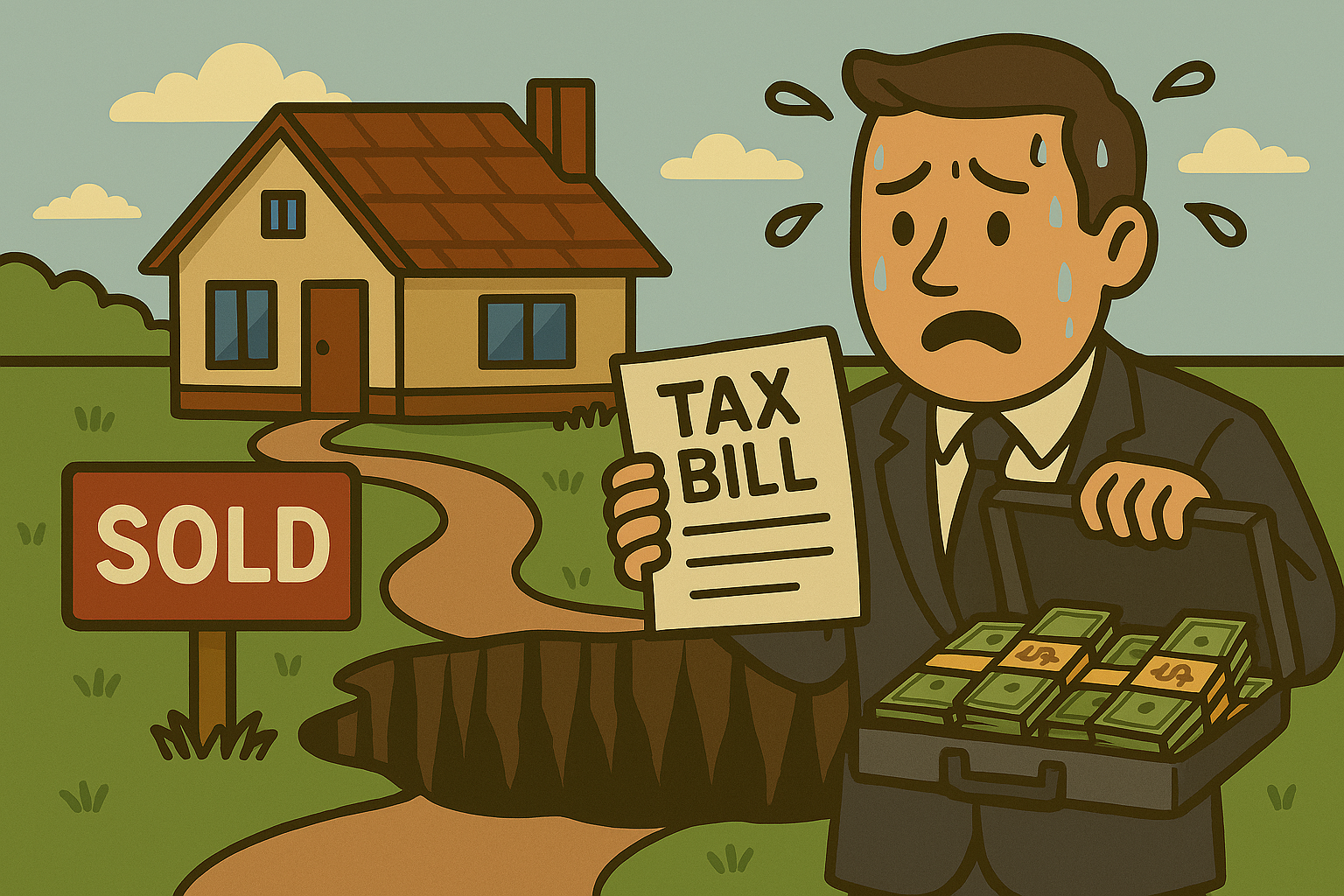
Many will know that if you purchase a residential property, live in it for the entire period of ownership and sell it for at a gain, the entire gain is covered by principle private residence relief and no tax will be due (also no reporting of the gain is required). EXAMPLE 1 Purchased January 2010 for £150,000 Sold December 2021 for £350,000 Gain on disposal £200,000 Principle private residence relief £200,000 Tax £0
-

Electrifying Savings - Electric Company Cars
15 November 2021
The amount of electric cars on the market is rapidly increasing along with the range they are capable of with a number of models capable of 200+ miles. For anyone with a company car or even running their own business through a limited company the tax savings available with electric cars should not be underestimated (these savings are not available for sole traders or partnerships but could be factored in when considering whether to incorporate the business).
-
IHT - Avoiding A Common Pitfall
18 October 2021
7 year rule, you may have heard of it…but what is it? Gifts made within the 7 year period prior to death, which are not exempted by means of one of the annual allowances, are brought back into the estate for calculating IHT. There is a rule in place which effectively discounts the amount of IHT charged for gifts given more than 3 years prior to death. It is known as taper relief and is provided for on the following scale
-

IHT - Normal Gifts Out Of Income
11 October 2021
This is an interesting opportunity as technically there is no specific limit, however strict criteria must be met for a gift to qualify as a 'normal gift out of income'. Firstly it has to be normal (in this context normal is referring to the frequency rather than it being an odd or strange gift in some way). There is no need for it to be a monthly gift or given on a specific day every month, but there should be a good level of expectation to the gift, in other words it should not come as a surprise. Another element to the normality criteria is the amount should be consistent or at least linked to something which is consistently covered. There are further technical points by which a gift can be measured to determine if it qualifies as a normal gift out of income which we won't go into here.
-

IHT - Small Gifts Allowance
4 October 2021
The small gifts exemption might be small (as described and compared with other allowances) at £250, but in certain circumstances could be very valuable if used well. The exemption is on gifts up to £250 per tax year to individuals. An important point to keep in mind is if the total value of gifts to an individual exceed this, even by £1 the allowance is lost, in which case the gift could begin to use up the annual allowance of £3,000. In Stan's case he has very few relatives, so we won't be making much use of this allowance (can't win them all). However if an individual had a larger family with many grandchildren, nieces and nephews and even great grandchildren the overall value of this allowance could soon stack up. For example say you have 3 siblings, all of which have 3 children. You have 4 children, all of which have 3 children, what could you potentially give away IHT free each year using the small gifts allowance?
-

IHT - Gifts in consideration of a marriage
27 September 2021
A wedding day is traditionally a very happy (if not slightly stressful) day and it's not just because of the inheritance tax saving possibilities! But they are what we will focus on for now. If Stan's daughter were to get married he could make a gift of up to £5,000 in consideration of that marriage inheritance tax free. This falls within the exemptions of gifts in connection with marriage and civil partnership. The general allowance are: Parent to either of the parties involved £5,000 Remoter ancestor (say for example a grandparent) £2,500 One of the parties themselves £2,500 Anyone £1,000
-
IHT - Annual Allowance
20 September 2021
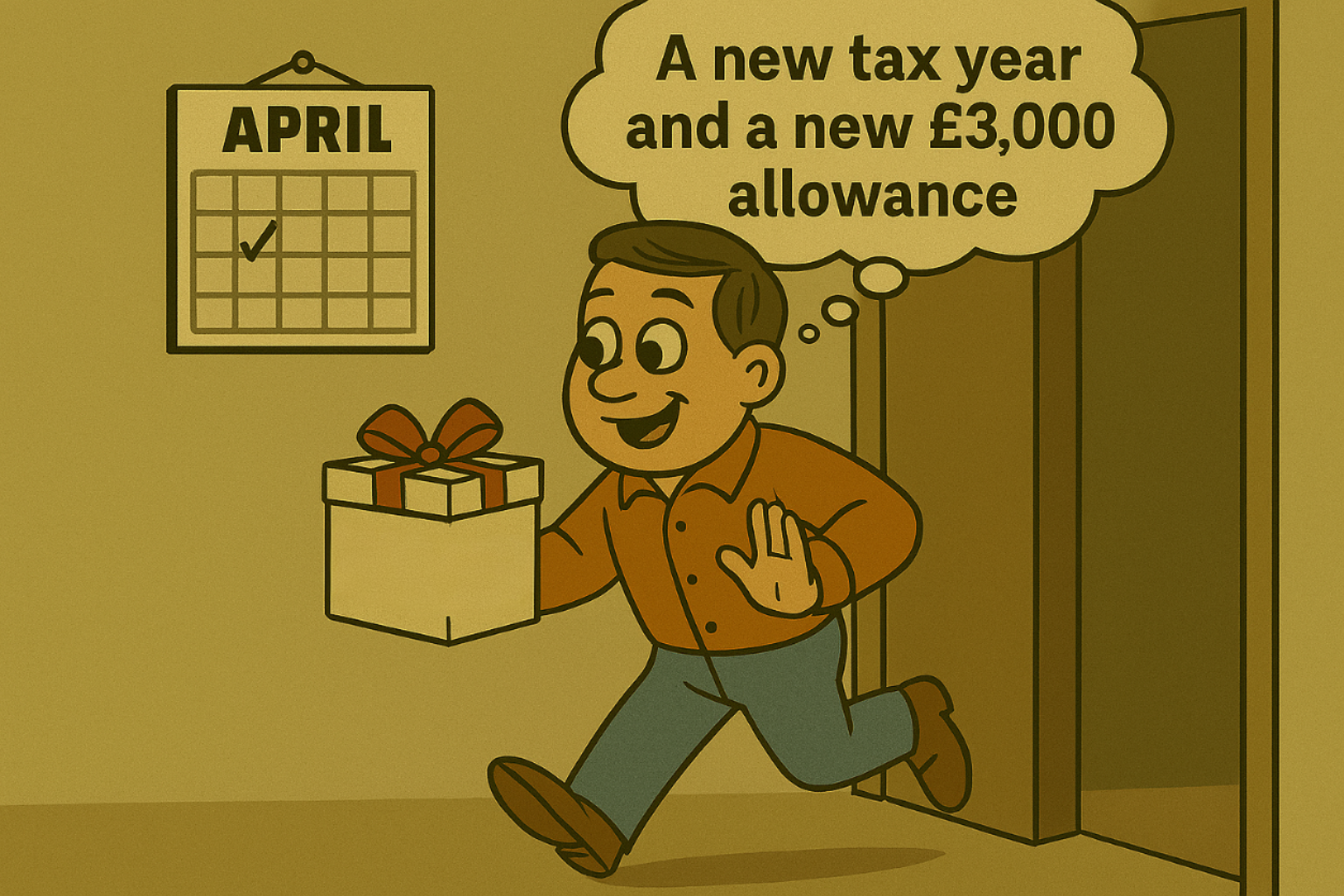
There are a number of annual exemptions for certain gifts when considering IHT. These have the effect of removing the gift from the estate all together. They will not be brought back into an estate if the donor dies within 7 years of making the gift if the allowance has been correctly used. This article will discuss the annual exemption of £3,000.
-
IHT - Residence Nil Rate Band
13 September 2021
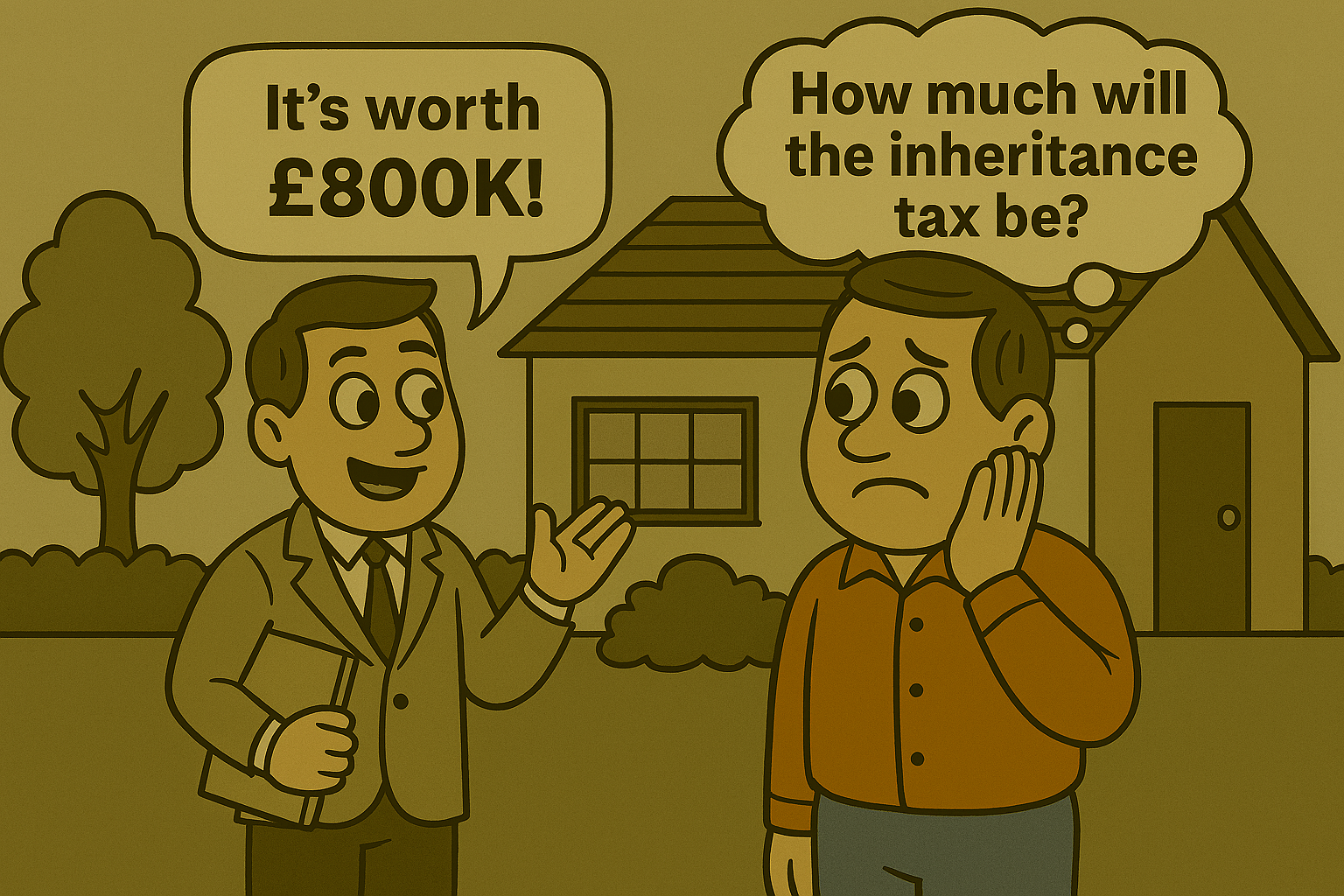
Let's kick off the allowances with a big one. The residence nil rate band, a relatively new allowance to IHT. At the time of writing the residence nil rate band for inheritance tax is £175,000. What are the qualifying criteria? There are some very detailed rules when it comes to downsizing or moving into care homes but we will keep it simple for this series. To qualify we are looking at a residence (a home) which was used by the donor as their home. The gift needs to pass to a lineal descendent (again there are further details around exactly what comes within this expression but for this article we will focus on the obvious, Stan's daughter).
-
Inheritance Tax - What you need to know
6 September 2021
It has been described as Britain's most hated tax and almost uniquely unpopular. Quite a reputation. But what is it and is it likely to affect you? Inheritance tax is a tax charged on the estate (broadly the assets less debts less the nil rate band) of an individual who has passed away. At 40% the amounts of tax can be substantial. It would be easy to assume that it will only affect very wealthy and well off individuals, but this could be a potentially expensive assumption to make. With the continued rise in house prices many more individuals will be within the scope of inheritance tax (IHT) and the bulk of the estate's value will be tied up in a house. With IHT charged at 40% and proving so unpopular individuals will likely want to take steps to reduce their estates IHT bill. Once people know you're an accountant the topic of IHT and potential planning points seems to keep coming up in conversation. Through these conversations it became clear that typical ideas to reduce IHT bills would not be effective and in most cases are caught by specific rules. But with an awareness of what allowances are available and how to use them just a little planning can be very effective.
-
Trading Allowance - Is it right for you?
21 May 2021
Thinking of starting a new business on the side? How can the trading allowance help you? This article will introduce you to it and how it works. The trading allowance was introduced from 2017-18 onwards. The allowance is £1,000 and can be used in two different ways. If after the pandemic you are thinking of trying a new side business, it could be very beneficial in reducing reporting requirements while you start out or reducing taxable profits. The following examples illustrate when the allowance could be used and how it is beneficial.
-

What's mine is yours - Marriage Allowance
1 August 2019
In 2015-16 a new allowance was made available to married couples....did you hear about it? The marriage allowance allows one spouse to transfer an element of their unused personal allowance to the other. For 2018-19 the maximum element which can be transferred is £1,190. Previous years were slightly lower but very similar. What’s the purpose of this allowance? If one spouse is earning above the tax free allowance and the other isn’t, perhaps only working part time or not at all, it increases the tax free allowance of the higher earning spouse with the saving being 20% of the transferred amount. For 2018-19 the tax saving is £238. How do you get the allowance? The claim has to be made by the spouse with the unused allowance. This can be done online or by phoning HM Revenue & Customs. It can be backdated if the qualifying criteria were met in previous years and a claim was not made. The claim will remain in force until you withdraw it.
-

Is it time to strike out on your own?
28 June 2019
Thinking of starting your own business? Lots of people would love to work for themselves, are you one of them? It can be an exciting prospect. Why? The reasons can vary. Some think of the work life balance it will allow. For others the idea of being your own boss is hard to reject. It can offer greater earning potential or maybe it’s an opportunity to change career path and start doing something you are passionate about. In spite of these factors, some hold back from doing it. Why, what makes it challenging?
-
Just in time
28 June 2019
You’ve finally done it, started your own business, it’s been a goal for a long time and now it’s happened, WELL DONE! It can be exciting, getting new clients, setting up with new equipment and getting everything just right. During all the excitement did you register with HM Revenue & Customs? When should this be done by? And does it matter if you haven’t registered already? If you started in business between 6th April 2018 and 5th April 2019 and will need to file a Self-Assessment Tax Return you will need to register as self employed with HM Revenue & Customs by 5th October 2019. So, the good news is if you haven’t registered already, you’re not late but time is running out so act now. If this deadline is missed penalties can be charged. Registration can be done online at hmrc.gov.uk or forms can be printed to sent by post.
-
Penalty charge - Case report
27 March 2019
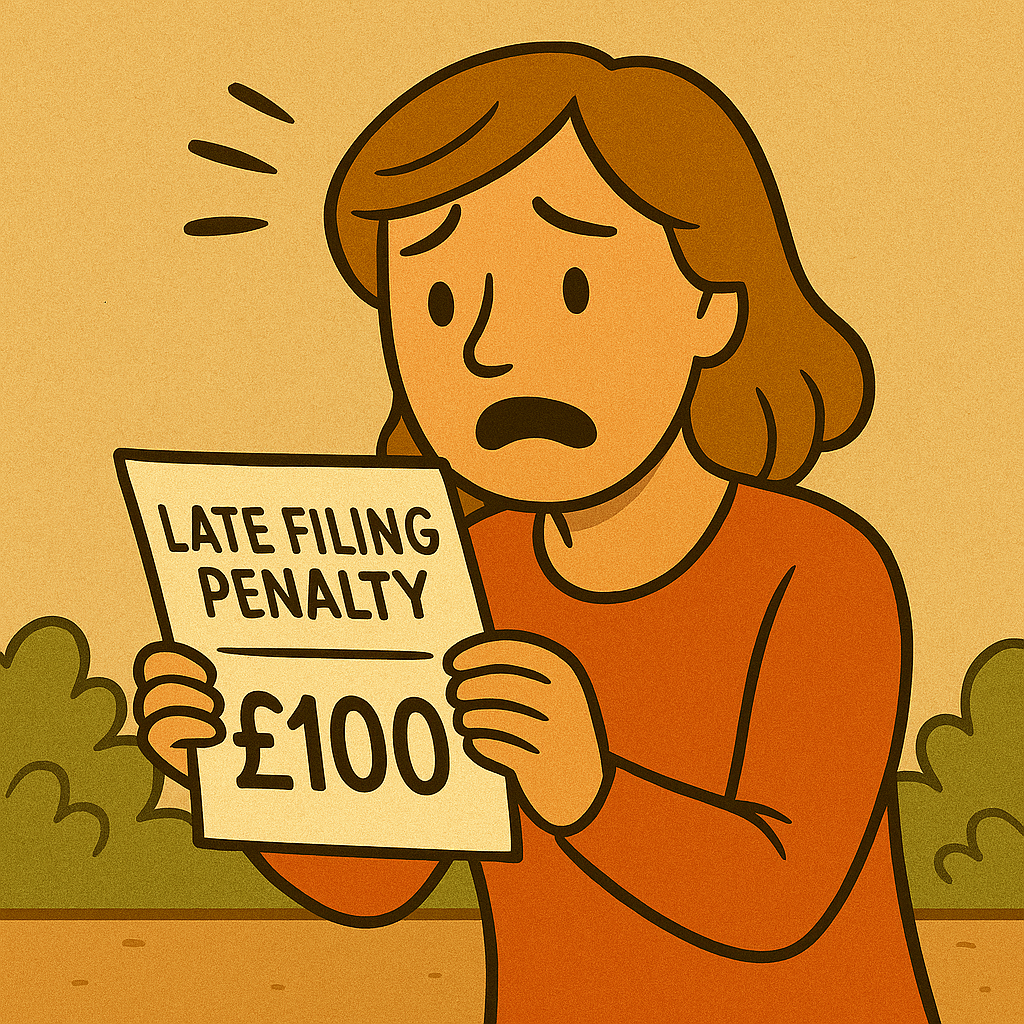
I was recently approached by a new client who had been charged penalties in excess of £5,000… an eye watering sum for anyone. The first point to make is that the penalties were valid and had been raised correctly What would you do in this situation? If you had to pick a realistic number to reduce the penalties to, what would you settle for? The specific circumstances of the case were considered and an appeal was submitted based on these. The appeal did not challenge the validity of the penalties. As mentioned they were perfectly valid and no error had been made by the tax office.
-
Record Retention - Could you go digital?
9 January 2019
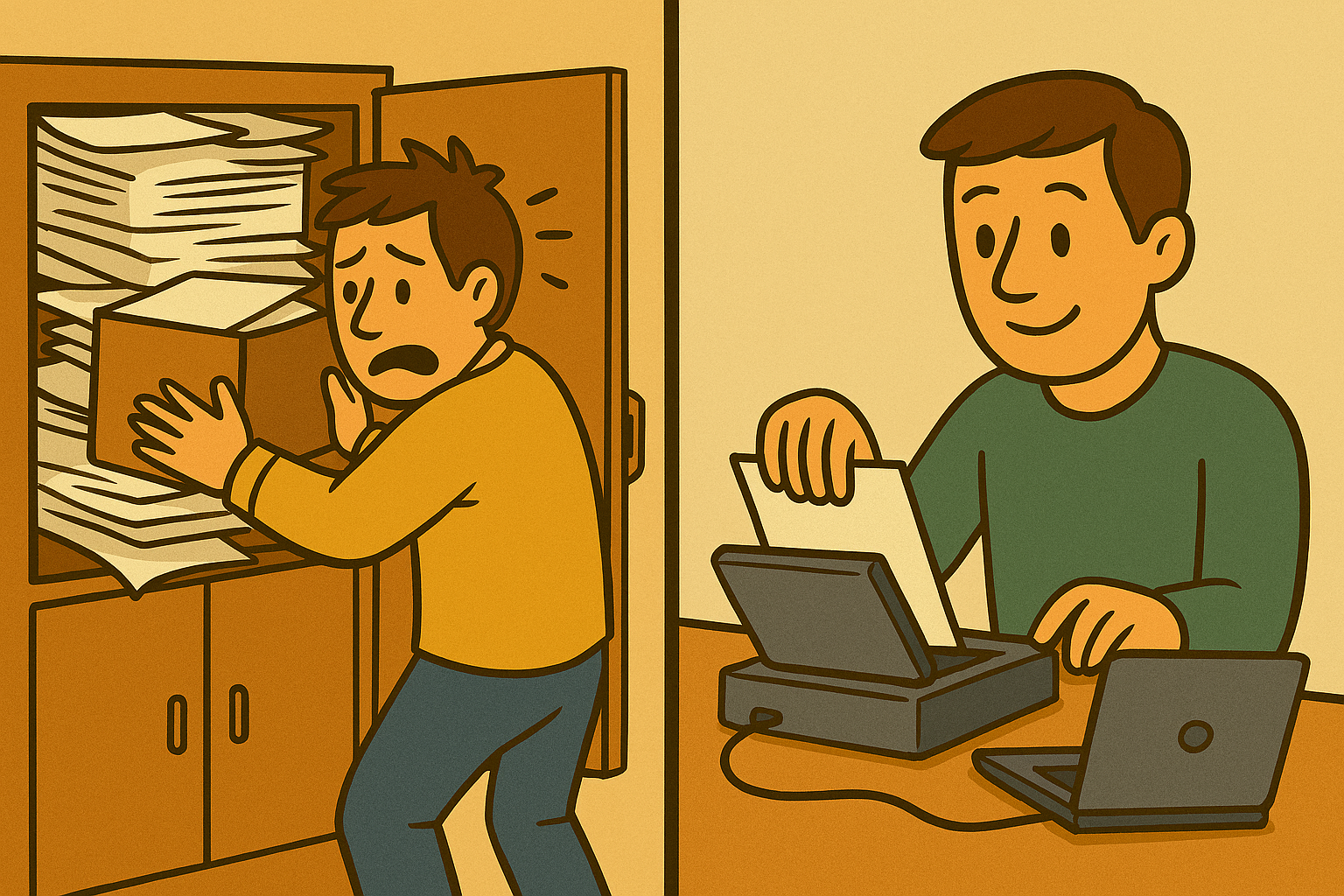
Some people just can’t bring themselves to get rid of anything others are ruthless at clearing out unused bits and pieces. At times the choice is made for us. If you are a self-employed trader, how long must you keep your business records supporting your tax return? The answer: 5 years after the 31st January filing deadline for the year in question. For example records relating to the year ended 5th April 2017 must be kept until 31st January 2023. For some this could represent a lot of papers, taking up lots of space and causing clutter, something we would rather do without. So what could the penalty be if we decided to just clear them out early? HM Revenue & Customs have the power to charge a penalty of £3000 for failure to keep business records. On second thoughts maybe they aren’t taking up to much space after all? We don’t have to give up on the idea of regaining some of that space and clearing out that clutter so easily.
-
MTD for VAT - How did we end up here?
8 January 2019
Making tax digital for VAT is fast approaching its full rollout. There has been a lot of talk on the subject but with so many changes and updates it’s easy to get lost. Given that it has come from the original idea of doing away with the personal tax return it’s reasonable to ask ‘How did we end up here’.....and where is here? If you are VAT registered what does MTD for VAT mean to you? When will it come into effect?
-

Property Income Pitfalls
8 January 2019
With so many TV shows dedicated to buying, renovating and renting properties out it must be a subject that captures the interest of many. It looks to provide an exciting way to work and earn. Portfolios can be steadily increased and a legacy can be built. Others fall into the role after buying a new home and keeping their first house for rental, a source of extra income and potentially it will increase in value over the years. Recent years have brought a number of changes to tax rules around property income. As with any change is can be easy to be left behind and get caught out. Other pitfalls are somewhat common mistakes but can result in unwelcome tax consequences.
-
A Costly Mistake
18 December 2018
No one likes to get a penalty charge, have you ever got back to your car to see that little yellow notice stuck to the windscreen. That feeling of spending money and feeling like you’re not getting anything in return for it can be very upsetting. For all those who have to file Tax Returns electronically the due date of January 31st is a very important day. Miss this deadline and the initial penalty is £100! (I can think of a lot of other things I would like to spend £100 on). You may have noticed a key word in the last sentence ...Initial....Believe it or not the penalty can be more!